

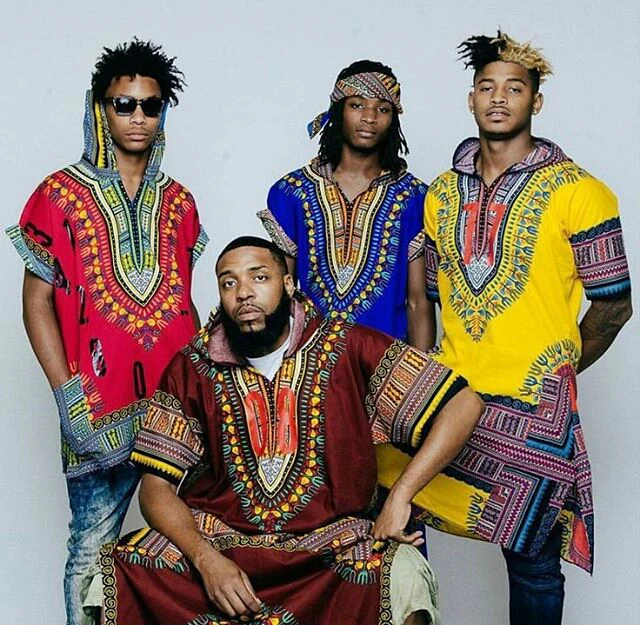
Africa, with its myriad of cultures and traditions, boasts a rich tapestry of traditional clothing that reflects the continent’s diverse heritage. From the vibrant kanga of East Africa to the majestic boubou of West Africa, each garment is a masterpiece of artistry and symbolism. The intricate patterns, bold colors, and meticulous craftsmanship tell stories of identity, status, and belonging.
Traditional African clothing is more than just fabric; it is a reflection of centuries-old customs and beliefs. For example, the Adinkra symbols adorning Ghanaian clothing convey proverbs and philosophical concepts, while the geometric patterns of the Ndebele attire in South Africa represent the tribe’s values and traditions.
Moreover, traditional attire plays a significant role in ceremonies and celebrations, serving as a visual expression of cultural pride and unity. Whether it’s a wedding, initiation rite, or religious festival, clothing plays a central role in marking important milestones and preserving cultural heritage.
In recent years, there has been a resurgence of interest in African traditional clothing, both within the continent and beyond. Fashion designers and enthusiasts are increasingly drawing inspiration from African motifs and techniques, incorporating them into contemporary designs and runway collections. This fusion of tradition and modernity not only celebrates African heritage but also promotes cultural exchange and appreciation on a global scale.
As we celebrate the artistry of African traditional clothing, let us recognize its power to transcend borders, unite communities, and preserve the rich cultural legacy of the continent.