
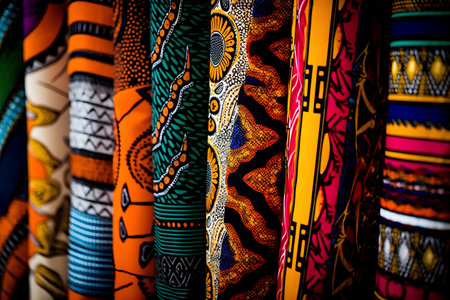

In a world dominated by fast fashion and mass production, African textiles stand out as a testament to the enduring power of craftsmanship and tradition. From the handwoven kente cloth of Ghana to the intricately embroidered Kanga of East Africa, these textiles are more than just fabrics; they are living artifacts that tell stories of identity, heritage, and community.
One of the most iconic examples is the “Adire” cloth of Nigeria, which is traditionally made using a resist-dyeing technique known as tie-and-dye. Each piece of Adire fabric is a unique work of art, with patterns and motifs that convey messages of wisdom, courage, and hope. Similarly, the Bogolanfini cloth of Mali is celebrated for its earthy tones and geometric designs, which are created using natural dyes and mud-based pigments.
Moreover, African textiles play a central role in rituals and ceremonies, serving as symbols of status, wealth, and spiritual connection. Whether it’s a wedding, funeral, or coming-of-age celebration, clothing made from traditional textiles carries deep cultural significance and meaning.
In recent years, there has been a growing movement to preserve and promote African textiles as a vital part of the continent’s cultural heritage. Artisans and designers are working together to revitalize traditional techniques, while also adapting them to meet the demands of the modern market.
As we celebrate the beauty and diversity of African textiles, let us recognize their importance in preserving cultural heritage and promoting sustainable fashion practices for future generations.